Skip to content
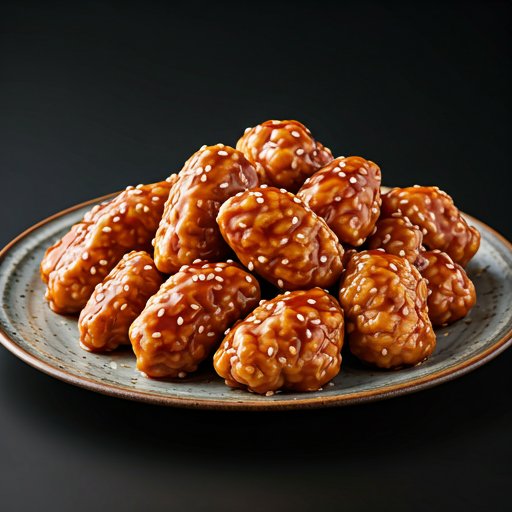
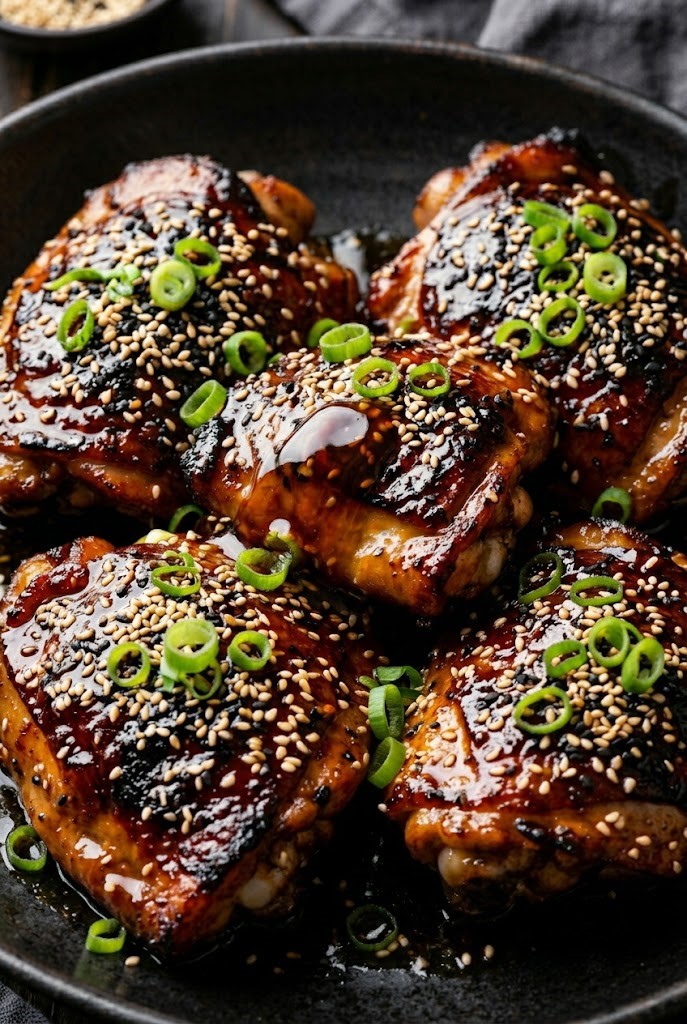
Let me tell you something about teriyaki chicken. The version you make at home — with a real marinade, not a bottle of pre-made sauce poured on at the last minute — is so much better than anything you’ll order from a restaurant that it almost doesn’t seem fair.
I know that sounds like a bold claim. But once you understand what actually goes into a proper teriyaki marinade and why each ingredient matters, you’ll get it. The soy sauce, the mirin, the ginger, the way it reduces into a glossy, sticky glaze on the grill — it’s genuinely one of the best things you can put on chicken.
I’ve been making this version for years. It’s the weeknight dinner my family requests most, and it consistently gets more compliments than almost anything else I make. The ingredients are simple, the method is easy, and the result looks and tastes like something from a really good Japanese restaurant.
What Makes a Great Teriyaki Marinade
The word “teriyaki” actually comes from Japanese cooking — teri refers to the shine or gloss that the sauce creates, and yaki means grilled or broiled. So technically, a proper teriyaki isn’t just a flavor — it’s a technique. You’re building a sauce that glazes and shines on the meat as it cooks.
That’s what separates a real teriyaki marinade from just pouring bottled sauce on chicken. Here’s what each ingredient does:
Soy sauce is the foundation — it’s the salt and the umami base that seasons the chicken deeply, not just on the surface. Always use low-sodium if you can, so you can control the saltiness.
Mirin is the ingredient that most home cooks skip, and it’s the one that makes the biggest difference. Mirin is a sweet Japanese rice wine with a lower alcohol content than sake. It adds a subtle sweetness, a slight tang, and — most importantly — it’s what creates that glossy lacquer finish. If you can’t find it, dry sherry is the best substitute.
Honey or brown sugar adds sweetness and helps the sauce caramelize into that iconic sticky glaze. Brown sugar gives a slightly deeper, molasses-y flavor. Honey gives a cleaner sweetness. Either works.
Rice vinegar adds a gentle acidity that keeps the marinade from being cloying and helps tenderize the chicken. Don’t skip it.
Sesame oil adds a nutty, toasty depth that you’d definitely miss if it wasn’t there. Just a small amount goes a long way.
Fresh garlic and ginger are where the warmth and complexity come from. Both are non-negotiable. Pre-minced jarred versions work in a pinch but fresh is noticeably better here.
Cornstarch (optional) is the little secret that helps the marinade thicken into a proper glaze. If you simmer the marinade briefly before using it, a teaspoon of cornstarch makes it cling to the chicken much more effectively.
Ingredients
Makes enough marinade for 1.5 to 2 pounds of chicken
- ¼ cup low-sodium soy sauce
- 2 tablespoons mirin (or dry sherry as substitute)
- 2 tablespoons honey or brown sugar
- 1 tablespoon rice vinegar
- 1 tablespoon sesame oil
- 2 garlic cloves, minced
- 1 teaspoon fresh ginger, grated
- 1 teaspoon cornstarch (optional, for thickening)
Optional add-ins:
- 1 tablespoon sake — if you want a more authentic Japanese flavor profile
- 1 teaspoon sriracha or chili garlic sauce — for a little heat
- 1 tablespoon pineapple juice — adds sweetness and a subtle tropical note that works beautifully
- ½ teaspoon white pepper — for a slightly different warmth than black pepper
- 1 tablespoon orange juice — brightens the whole marinade without making it taste citrusy
How to Make It
Step 1: Simmer the marinade (optional but recommended). For the best results, combine all the marinade ingredients in a small saucepan and heat over medium for 2–3 minutes, whisking until the honey dissolves and the sauce thickens very slightly. This does two things: it fully dissolves the sweetener so it doesn’t just sink to the bottom, and it activates the cornstarch so the marinade clings to the chicken better. Let it cool completely before adding the chicken — adding hot marinade to raw chicken is a food safety issue.
If you’re short on time, you can also just whisk everything together cold. It still works well, just without the same level of gloss.
Step 2: Reserve some marinade first. Before adding any chicken, pour a few tablespoons of marinade into a separate small jar or bowl. This is your basting sauce for cooking and your dipping sauce for the table. Never use marinade that’s touched raw chicken for this — always set it aside beforehand.
Step 3: Marinate the chicken. Place your chicken in a zip-lock bag or shallow dish. Pour the remaining marinade over it and turn to coat completely. Seal or cover and refrigerate.
Step 4: Cook and glaze. When the chicken is done marinating, remove from the bag and let the excess drip off. Cook using your preferred method (details below). Use that reserved marinade to brush on during the last few minutes of cooking for maximum glaze and shine.
How Long to Marinate
- 30 minutes: Light surface flavor — fine if you’re truly in a rush
- 1–2 hours: Noticeably better — flavor starts penetrating the meat
- 2–6 hours: The sweet spot for this recipe — deep, even flavor throughout
- Overnight (up to 12 hours): Maximum flavor, especially for thicker pieces like bone-in thighs
One important note: don’t go much beyond 12 hours with this marinade. Soy sauce is quite salty, and prolonged marinating can make the texture of the chicken slightly soft rather than firm and juicy.
Best Cuts of Chicken for Teriyaki
Boneless, skinless chicken thighs are the best choice for teriyaki, hands down. They’re juicy, they stay tender even if you cook them a minute too long, and they absorb the sweet-savory marinade incredibly well. If you’ve only ever made teriyaki with chicken breasts, try thighs once and you’ll understand.
Boneless, skinless chicken breasts are the leaner option and work well — just be careful not to overcook them. Pound them to even thickness before marinating for best results, and pull them off the heat the moment they hit 165°F.
Chicken tenders are fantastic for teriyaki — they’re thin so they marinate quickly (even 30 minutes gives good flavor), they cook fast, and they make great appetizers or additions to rice bowls.
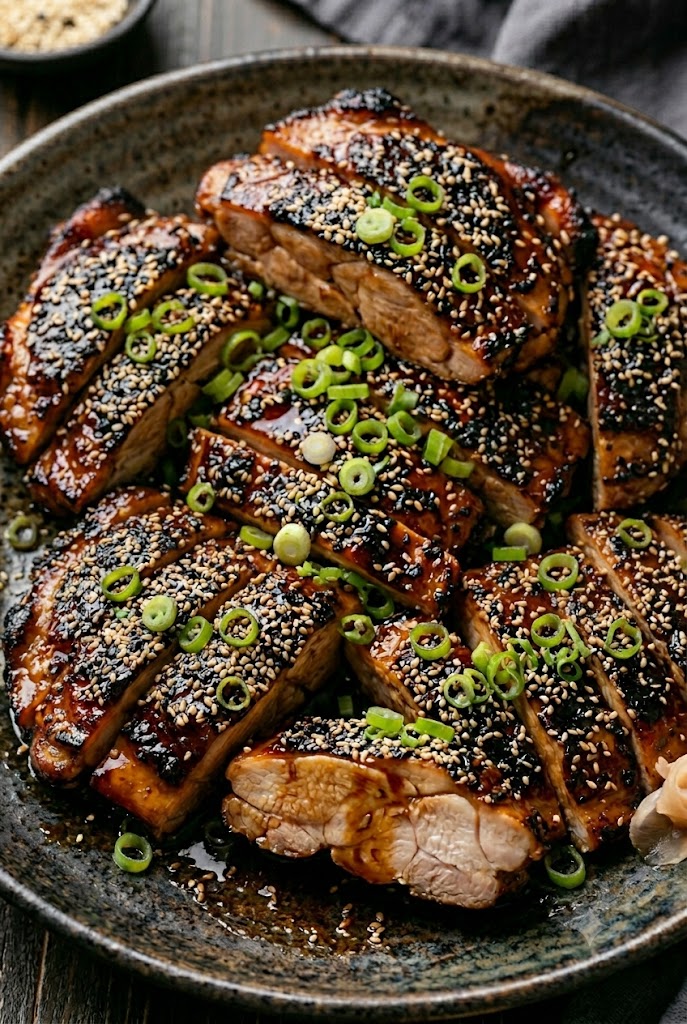
Bone-in, skin-on thighs — if you have time and want the most impressive result, these are stunning. The skin crisps up and lacquers with the glaze in a way that’s genuinely restaurant-quality. They just need more time on the grill.
Chicken wings are a crowd favorite with this marinade. Marinate for 2–4 hours, cook until crispy, then toss in warmed reserved teriyaki sauce right before serving. They disappear at every gathering.
How to Cook Teriyaki Marinated Chicken
On the Grill (Best for That Char and Glaze)
Preheat your grill to medium heat. Medium is key here — the honey and sugar in the marinade will burn on high heat before the chicken has a chance to cook through.
Place chicken on the grill and leave it alone for the first 5–6 minutes. Resist the urge to move it — you’re building a crust. Flip and cook another 5–6 minutes for boneless pieces (10–12 minutes per side for bone-in).
In the last 2 minutes of cooking, brush with the reserved teriyaki sauce and watch it set into a glossy glaze. This step makes all the visual difference. Pull at 165°F internal temperature and rest for 5 minutes before slicing.
Tip: Keep a spray bottle of water nearby for flare-ups. The sugary glaze can drip and ignite. Just a quick spray settles it down.
In the Oven
Preheat to 400°F. Place chicken on a wire rack set over a foil-lined baking sheet — the rack lifts the chicken off the pan so it cooks evenly on all sides rather than steaming in its own juices.
Bake boneless pieces for 20–25 minutes, bone-in for 35–40 minutes. In the last 5 minutes, brush with reserved teriyaki sauce and switch to broil on high to caramelize the glaze. Watch it closely — 2–3 minutes under the broiler is usually plenty.
In the Air Fryer
This is my second-favorite method after grilling. Preheat to 375°F. Cook boneless thighs for 16–18 minutes, flipping once halfway through. Breasts take about 14–16 minutes. In the last 2–3 minutes, brush with reserved sauce and let it set.
The air fryer gets the outside of the chicken beautifully caramelized — almost lacquered — in a way that’s hard to achieve in a regular oven. Highly recommended.
On the Stovetop
Heat a cast iron or non-stick skillet over medium with a drizzle of neutral oil. Add the chicken and cook without moving for 4–5 minutes, then flip. Lower the heat slightly and cook through until 165°F.
In the last minute of cooking, pour the reserved teriyaki sauce directly into the pan and let it bubble and reduce around the chicken. It thickens fast — keep stirring and spooning it over the chicken. The result is incredibly saucy, glazed chicken that’s perfect over a bowl of rice.
In the Slow Cooker
Place marinated chicken in the slow cooker with a small splash of chicken broth (just 2–3 tablespoons — you don’t need much). Cook on low for 3–4 hours or high for 1.5–2 hours.
The chicken will be fall-apart tender. Shred it right in the slow cooker and stir through a few tablespoons of the reserved teriyaki sauce. This is incredible served over rice, stuffed into lettuce wraps, or piled into sandwiches. It’s also a great method for meal prepping a big batch for the week.
What to Serve with Teriyaki Chicken
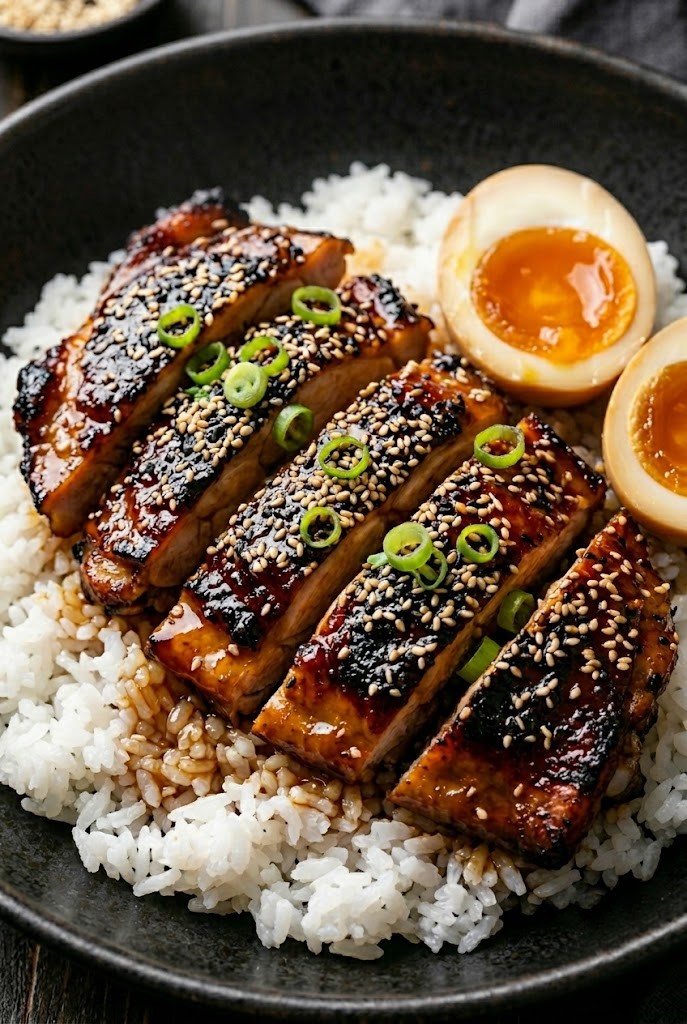
Teriyaki chicken has a clean, defined flavor profile that pairs beautifully with simple, fresh sides.
The classic bowl: Steamed jasmine or short-grain white rice, sliced teriyaki chicken, a handful of steamed edamame, sliced cucumber, and a sprinkle of sesame seeds and green onion. This is weeknight dinner that looks like you put in a lot more effort than you did.
For a lighter option: Cauliflower rice or a simple green salad with sesame ginger dressing. The chicken is so flavorful it doesn’t need a heavy base.
Noodles: Teriyaki chicken over soba noodles or udon with a drizzle of sesame oil and soy sauce is a complete, satisfying meal. Toss in some shredded cabbage or snap peas for crunch.
Stir-fry style: Slice the cooked chicken and toss it with quickly sautéed broccoli, snap peas, bell pepper, and a little extra teriyaki sauce. Serve over rice. Done in minutes.
Side dishes that complement perfectly:
- Steamed or stir-fried broccoli with garlic
- Miso soup
- Japanese-style cucumber salad with rice vinegar and sesame
- Fried rice (especially good with leftovers the next day)
- Edamame with sea salt
- Gyoza or spring rolls if you’re doing a bigger spread
Meal Prep and Storage Tips
Teriyaki chicken is one of the best proteins to batch cook because it reheats beautifully and goes with practically everything.
Batch cook for the week: Double the recipe, cook a big batch on Sunday, and store in the fridge. Slice some for rice bowls, shred some for wraps, leave some whole for salads. Four or five very different lunches and dinners from one cook session.
Make the marinade ahead: The teriyaki marinade keeps in a sealed jar in the fridge for up to 2 weeks without chicken. Having it pre-made means dinner can be ready in 20 minutes on any weeknight — just pull out some chicken, pour it in, and let it sit while you do other things.
Freeze in the marinade: Add raw chicken to a zip-lock bag, pour in the marinade, seal, and freeze flat. Keeps for up to 3 months. As it thaws overnight in the fridge, it marinates the entire time. This is genuinely one of the best meal prep shortcuts I use.
Reheating: Leftover teriyaki chicken reheats best in a skillet over medium-low with a splash of water and a drizzle of extra soy sauce, covered. The microwave works too — just cover it and go in 30-second intervals to avoid drying it out.
Substitutions and Variations
No mirin? Dry sherry is the closest substitute and works very well. In a real pinch, use 1 tablespoon of rice vinegar plus 1 extra teaspoon of honey — it won’t be identical but it gets you in the right direction.
No sesame oil? You can leave it out or use a small amount of toasted sesame seeds blended with a neutral oil. The flavor won’t be quite the same but the marinade still works.
No fresh ginger? Use ¼ teaspoon of ground ginger. Fresh is genuinely better here, but dried will do the job.
Gluten-free version: Swap the soy sauce for tamari or certified GF soy sauce. Everything else in the recipe is naturally gluten-free.
Lower sodium version: Use low-sodium soy sauce (which you should be doing anyway) and reduce the amount to 3 tablespoons. The flavor is still full and satisfying.
Spicy teriyaki: Add 1–2 teaspoons of sriracha or chili garlic sauce to the marinade. You can also finish the dish with a drizzle of chili oil for heat and visual appeal.
Pineapple teriyaki: Add 2 tablespoons of pineapple juice to the marinade. The natural enzymes in pineapple also help tenderize the chicken, and the flavor is a lovely tropical twist on the classic.
Honey vs. brown sugar: Brown sugar gives a slightly deeper, more complex sweetness with a hint of molasses. Honey gives a cleaner, lighter sweetness and a slightly thinner marinade. Both are delicious — just pick your preference.
Storage Guide
Marinade only (without chicken, in the fridge): Up to 2 weeks in a sealed jar.
Raw marinated chicken (in the fridge): Up to 2 days before cooking.
Cooked teriyaki chicken (in the fridge): 4–5 days in an airtight container.
Frozen raw chicken in marinade: Up to 3 months.
Frozen cooked chicken: Up to 2 months. Shredded teriyaki chicken freezes especially well and reheats into a great rice bowl topping with almost no effort.
Frequently Asked Questions
Is teriyaki sauce the same as teriyaki marinade?
Not exactly. Teriyaki sauce is typically thicker and used as a glaze or dipping sauce. A teriyaki marinade is thinner — designed to soak into the meat over time. This recipe works as both: use it as a marinade first, then simmer the reserved portion down slightly to make a thicker finishing glaze.
Can I use store-bought teriyaki sauce as the marinade?
You can, but most store-bought teriyaki sauces are quite thick and very sweet, with a lot of additives. They tend to burn quickly on the grill before the chicken cooks through. If you use one, thin it with a tablespoon of soy sauce and a splash of rice vinegar, and cook on medium heat.
Why is my teriyaki chicken not glossy?
Two likely causes: either the marinade didn’t have enough sugar/mirin to create a glaze, or you didn’t brush with reserved sauce during the final minutes of cooking. That last-minute brush is what creates the shine. Also make sure your heat is high enough in the last minute to set the glaze — too low and it stays sticky rather than lacquering.
Can I marinate overnight?
Yes, up to 12 hours is fine. Beyond that, the soy sauce can start to break down the texture of the chicken. If you want to prep further ahead, freeze it in the marinade instead — it keeps for 3 months that way.
My chicken is sticking to the grill — what went wrong?
Sugary marinades stick more than plain chicken. Make sure your grill grates are clean, well-heated, and oiled before you add the chicken. Don’t try to move the chicken for the first 4–5 minutes — if it’s sticking, it’s not ready to flip yet. When the crust releases naturally from the grate, it’s time to turn.
Can I make this without sesame oil?
Yes. The sesame oil adds a nutty depth but the marinade still works without it. If you want to keep that sesame flavor, add toasted sesame seeds to the finished dish instead.
Is this recipe kid-friendly?
Very. Teriyaki is one of the most universally appealing flavors — it’s sweet, savory, and mild. Skip the optional chili sauce add-in and it’s perfect for kids. This is one of those dinners where even picky eaters tend to ask for seconds.
More Chicken Marinade Recipes to Try
If you loved this teriyaki marinade, you’re going to want to work through the rest of the collection. My full collection of chicken marinades covers 12 complete marinades all in one place — honey garlic, cilantro lime, smoky chipotle honey, BBQ chicken marinade, Mexican, balsamic dijon, Greek yogurt garlic, soy ginger sesame, coconut lime curry, buffalo ranch, lemon herb, and more. Each one is written with the same detail as this recipe, with grilling tips, cook times, and serving ideas. If you’re building out a rotation of go-to chicken dinners, that article is the best place to start — bookmark it and work your way through.
Final Thoughts
Teriyaki chicken is one of those recipes that sounds like it should be complicated — that glaze, that color, that restaurant-quality finish — but is genuinely one of the easiest things you can make. Five minutes to mix the marinade, a few hours in the fridge, and about 15 minutes on the grill or in the pan.
The result is chicken that’s juicy, deeply flavored, glossy, and the kind of thing that makes people stop and ask what you made. Over a bowl of rice with a sprinkle of sesame seeds and some sliced green onion? Honestly, it’s one of my favorite dinners. Full stop.
Make it once and you’ll understand why this one stays in the rotation all year round.
Happy cooking!